Blog

  • Maintaining Healthy Trees Through Proper Care and Maintenance

    Trees are valuable features of any landscape because they provide shade, improve air quality, and create a peaceful outdoor atmosphere. From small backyard gardens to large commercial properties, healthy trees contribute to the beauty and functionality of outdoor spaces. However, maintaining their health requires consistent care and attention. Proper tree maintenance involves understanding their growing conditions, protecting their roots, managing unwanted branches, and identifying potential problems before they become serious.

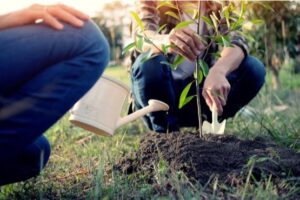
    One of the most effective ways to support healthy tree growth is to provide suitable growing conditions. Trees need enough sunlight, sufficient water, and nutrient-rich soil to develop properly. Before planting a new tree, it is important to consider its mature size, root requirements, and preferred environment. Selecting a suitable location gives the tree enough room to grow without interfering with buildings, sidewalks, or underground utilities. Choosing tree species that are appropriate for the local climate can also reduce maintenance challenges.

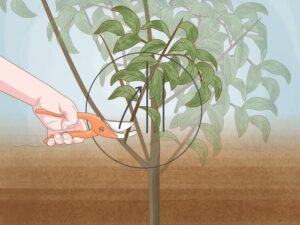
    Regular pruning helps trees maintain their natural shape and structural strength. Dead, broken, and diseased branches should be removed when necessary to prevent further damage and reduce potential safety risks. Proper pruning also improves airflow through the canopy, allowing leaves to receive adequate sunlight. However, cutting too many branches can weaken a tree and affect its natural development. Using appropriate techniques and clean equipment helps protect the tree from unnecessary injuries.

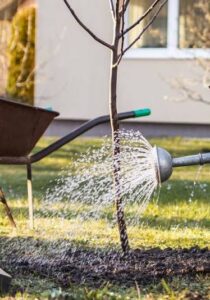
    Watering practices should also be adjusted according to the tree’s age, species, and environmental conditions. Newly planted trees need regular moisture while their roots become established, whereas mature trees may survive with less frequent watering. During hot weather, monitoring soil moisture becomes particularly important. Deep watering encourages roots to grow further into the soil, improving stability and access to nutrients. At the same time, avoiding excessive watering helps prevent root damage and fungal problems.

    Another important part of tree maintenance is protecting trees from insects and diseases. Pests can damage leaves, weaken branches, and interfere with healthy development. Fungal infections and other diseases may also cause discoloration, premature leaf loss, and bark deterioration. Inspecting trees regularly allows property owners to notice unusual changes and seek appropriate treatment. Professional arborists can identify difficult problems and recommend effective management strategies based on the condition of the tree.

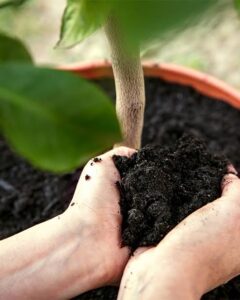
    Mulching is a simple practice that offers several benefits for tree health. A suitable layer of organic mulch helps conserve soil moisture, regulate temperature, and reduce weed competition. It can also gradually improve soil quality as the material decomposes. Mulch should be distributed around the tree without touching the trunk, as excessive moisture near the bark can encourage decay. Maintaining the surrounding area also helps prevent accidental damage from lawn equipment and other gardening activities.

    Storm preparation and seasonal inspections are equally important for keeping trees safe. Strong winds, heavy rainfall, and changing temperatures can create stress and damage weak branches. Checking trees regularly helps identify structural concerns and remove potential hazards before severe weather arrives. Large trees with leaning trunks, extensive cracks, or hanging branches should be evaluated by trained professionals.

    Ultimately, successful tree care requires patience and consistent maintenance rather than occasional attention. By providing proper water, maintaining healthy soil, pruning responsibly, and monitoring for diseases, property owners can support stronger and longer-lasting trees. A well-planned tree care routine protects the landscape, improves outdoor appearance, and preserves the many environmental benefits that trees provide.
  • Essential Tree Care Practices for a Beautiful Property

    A healthy landscape often begins with well-maintained trees. Whether they grow around a family home, commercial building, or public garden, trees contribute shade, natural beauty, and environmental benefits. However, maintaining them requires regular attention and an understanding of their individual needs. Over the years, I have noticed that many tree problems develop because small warning signs are ignored or basic maintenance is delayed. A consistent approach to tree care can help prevent these issues while supporting stronger growth and a more attractive outdoor environment.

    Understanding What Makes Trees Healthy

    Trees need suitable soil, sufficient sunlight, adequate water, and enough room to develop. When one of these requirements is missing, growth may slow down, leaves can lose their natural color, and branches may become weaker. Understanding these basic requirements makes it easier to maintain trees at different stages of their lives.

    The first step is evaluating the growing environment. Soil that drains poorly may hold excessive moisture around the roots, while heavily compacted ground can prevent oxygen from reaching them. Trees planted in restricted spaces may also struggle as their root systems expand.

    I recommend observing trees throughout the year rather than checking them only when something appears wrong. Changes in leaf color, branch development, and overall appearance can provide useful information about their condition.

    Maintaining Healthy Soil Around Tree Roots

    Good soil conditions are essential for long-term tree development. Roots absorb water and nutrients from the surrounding ground, so poor soil quality can affect the entire tree. Compaction, erosion, and insufficient organic matter are common problems in heavily used outdoor areas.

    Adding an appropriate layer of organic mulch is a practical way to protect the soil. Wood chips and shredded bark help retain moisture, reduce weed growth, and moderate soil temperature. These benefits can be especially helpful during warmer months when the ground dries quickly.

    Mulch should be spread around the root zone without touching the trunk. Creating a small open space around the base helps prevent excessive moisture from collecting against the bark. Property owners should also avoid digging unnecessarily near established trees because major root damage can affect stability and growth.

    Why Proper Pruning Makes a Difference

    Pruning is an important maintenance activity, but it should always be performed carefully. Removing dead, broken, and diseased branches helps maintain a healthy structure and reduces the risk of falling limbs. It can also improve airflow and allow sunlight to reach the interior of the canopy.

    I have seen trees suffer because too many branches were removed during a single maintenance session. Heavy cutting can create unnecessary stress and encourage weak regrowth. Proper pruning focuses on the tree’s natural structure rather than simply reducing its overall size.

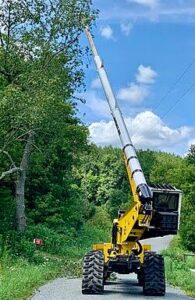
    The correct pruning season depends on the species and the reason for cutting. Small branches may be manageable with appropriate hand tools, but large limbs require professional knowledge and safety equipment. Avoid attempting elevated cutting work without proper training.

    Preventing Common Tree Diseases

    Tree diseases can develop in leaves, branches, trunks, and root systems. Some infections spread quickly under favorable environmental conditions, while others gradually weaken a tree over several years. Early identification is important because certain problems become more difficult to manage once significant damage has occurred.

    Look for unusual leaf spots, premature leaf loss, discolored bark, dead branch tips, and fungal growth. These symptoms can have different causes, so identifying the exact problem is important before selecting a treatment.

    Good maintenance practices can reduce some disease risks. Removing infected debris when appropriate, avoiding unnecessary trunk injuries, and maintaining suitable watering conditions all contribute to healthier growing environments. If symptoms continue or spread, a qualified arborist can recommend an appropriate response.

    Protecting Trees From Insect Damage

    Insects are another challenge that property owners may encounter. Certain species feed on foliage, while others bore into branches or damage the bark. Heavy infestations can reduce growth and sometimes create serious structural problems.

    Regular inspections help identify insect activity early. Examine leaves for unusual holes, curling, or discoloration. Check the trunk and branches for small openings, sawdust-like material, or other signs of infestation.

    Not every insect is harmful, and some species provide important environmental benefits. Therefore, unnecessary pesticide applications should be avoided. Professional identification helps determine whether treatment is required and which method is appropriate.

    Adjusting Tree Maintenance to Weather Conditions

    Weather has a major influence on tree health. During extended dry periods, trees may experience moisture stress, while excessive rainfall can create drainage problems. Seasonal temperature changes can also influence growth patterns and maintenance requirements.

    During hot weather, newly planted trees should receive particular attention because their roots may not yet reach deeper moisture reserves. In rainy conditions, check whether water is collecting around the base. Proper drainage is important for preventing root-related problems.

    Strong winds and storms can expose damaged branches and weak structural connections. Before severe weather, professional inspections can help identify potential hazards. After a storm, avoid standing beneath damaged trees and arrange professional assistance when large branches or unstable trunks are involved.

    Knowing When to Hire a Tree Care Professional

    Some maintenance activities are suitable for property owners, but complicated jobs should be left to trained specialists. Large-scale pruning, tree removal, disease diagnosis, and work near electrical lines require appropriate skills and equipment.

    When selecting a service provider, review their experience, insurance, safety procedures, and previous projects. A professional should explain the tree’s condition and provide clear recommendations instead of suggesting unnecessary work.

    Regular professional assessments can be particularly useful for older trees and those growing close to buildings or pedestrian areas. Identifying structural weaknesses early may help prevent property damage and reduce safety risks.

    Making Tree Maintenance Part of Property Management

    Trees are long-term investments that deserve consistent attention. Proper soil management, responsible pruning, suitable watering, and timely inspections can help maintain their health and appearance. These practices also reduce the likelihood of unexpected problems that may require expensive repairs.

    In my experience, successful maintenance comes from understanding that every tree has different needs. A routine that works for one species may not be suitable for another. By observing changes, providing appropriate growing conditions, and seeking professional guidance when necessary, property owners can maintain healthier landscapes and enjoy the benefits of mature trees for many years.

  • Professional Tree Care for Stronger Growth and Healthier Landscapes

    Healthy trees bring life, beauty, and natural balance to outdoor spaces. They provide cooling shade, improve air quality, support local wildlife, and make residential and commercial properties more appealing. However, trees need proper attention throughout their lives to remain healthy and structurally strong. Without regular maintenance, they can develop weak branches, suffer from diseases, or experience problems caused by poor soil conditions and environmental stress. A consistent tree care routine helps prevent these issues while supporting long-term growth.

    One important part of tree care is maintaining the natural shape and structure of each tree. As trees grow, some branches may become overcrowded, damaged, or poorly positioned. Careful trimming helps remove unwanted growth and allows the remaining branches to develop properly. It also improves sunlight exposure and airflow within the canopy. Pruning should be performed with attention to the tree’s species, age, and condition because improper cutting can create wounds and increase the risk of disease.

    Healthy roots are equally important for maintaining strong trees. The root system absorbs water and nutrients while anchoring the tree securely in the ground. Construction activities, frequent foot traffic, and compacted soil can interfere with root development. Property owners should avoid unnecessary digging around trees and maintain suitable soil conditions. Applying organic mulch around the root zone can help preserve moisture, control weeds, and protect roots from temperature changes.

    Water management is another essential consideration. Trees require different amounts of water depending on their size, species, age, and surrounding environment. Young trees generally need more frequent watering while their roots become established. During extended dry periods, established trees may also benefit from additional moisture. Watering deeply and allowing the soil to drain properly encourages healthier root development. Too much water, however, can create oxygen shortages around roots and contribute to root problems.

    Regular inspections can help property owners identify potential health concerns before they become difficult to manage. Discolored leaves, unusual spots, cracked bark, fungal growth, and dead branches may indicate disease, insect activity, or environmental damage. Paying attention to these warning signs makes it easier to determine whether treatment or professional assistance is necessary. An experienced arborist can evaluate complicated problems and recommend suitable solutions without causing unnecessary damage to the tree.

    Weather protection should also be included in a complete tree maintenance plan. Heavy rain, strong winds, and storms can weaken branches or expose structural problems. Checking trees after severe weather helps identify hazards that might threaten nearby buildings, vehicles, or people. Removing damaged limbs and addressing unstable trees promptly can improve outdoor safety. However, large branches and hazardous trees should always be handled by qualified professionals with appropriate equipment.

    In addition to improving safety, proper tree care contributes to the overall value and appearance of a property. Well-maintained trees create inviting outdoor spaces and provide environmental benefits throughout the year. By combining regular pruning, appropriate watering, soil protection, and early problem detection, property owners can maintain healthier landscapes. Consistent care and professional guidance help trees remain strong, attractive, and beneficial for generations.

  • Practical Ways to Improve Tree Health and Longevity

    Trees are among the most valuable features of any outdoor space. They provide natural shade, improve the appearance of properties, support wildlife, and contribute to a healthier environment. However, keeping trees in good condition requires more than occasional watering or trimming. Their health depends on several factors, including soil quality, sunlight, moisture, root development, and protection from pests. Through my experience working with residential landscapes, I have learned that consistent maintenance and early problem detection are two of the most effective ways to support long-lasting tree growth.

    Giving Trees the Right Growing Conditions

    Healthy growth begins with selecting a suitable planting location. Different tree species have different requirements for sunlight, soil drainage, and available space. Planting a tree without considering its mature size can lead to problems when branches begin reaching nearby buildings or roots encounter underground structures.

    I always recommend examining the planting area before introducing a new tree. The soil should provide sufficient drainage while retaining enough moisture to support root development. Trees also need adequate room for their branches and roots to expand naturally.

    Another important consideration is the condition of surrounding vegetation. Large shrubs, grass, and other plants may compete with young trees for water and nutrients. Maintaining an appropriate area around the base gives newly planted trees a better opportunity to establish themselves.

    Understanding the Importance of Tree Watering

    Watering is one of the most important parts of everyday tree maintenance. However, applying too much water can be just as harmful as allowing the soil to become excessively dry. The correct watering schedule depends on weather conditions, soil type, tree species, and age.

    Young trees generally require more frequent monitoring because their root systems are still developing. During hot weather, checking the soil regularly helps determine whether additional moisture is necessary. Established trees are often more tolerant of short dry periods, but prolonged drought can still affect their health.

    A useful approach is to water slowly around the root zone so moisture can penetrate deeper into the soil. This encourages roots to grow outward and downward instead of remaining concentrated near the surface.

    Keeping Branches Strong With Careful Trimming

    Regular pruning helps maintain the structure and appearance of trees. Removing dead or damaged branches can reduce safety concerns and prevent certain problems from spreading. It also helps maintain a balanced canopy that allows sunlight and air to reach different parts of the tree.

    One mistake I often see is unnecessary cutting performed simply to make a tree look smaller. Excessive pruning can remove too much foliage and weaken the tree. Instead, every cut should serve a specific purpose and follow appropriate arboricultural practices.

    The timing of pruning also matters. Some trees respond better to pruning during dormant periods, while others require different schedules depending on their flowering and growth patterns. Large branches should be handled by qualified professionals who understand safe cutting techniques.

    Protecting Trees From Insects and Diseases

    Insect infestations and diseases can affect trees at different stages of development. Some insects damage leaves and young shoots, while others attack bark and internal wood. Fungal infections may affect roots, trunks, or branches and can gradually weaken the entire tree.

    Regular observation helps identify unusual changes before they become severe. Property owners should look for damaged leaves, small holes in the bark, unusual growths, discolored foliage, and branches that begin dying unexpectedly.

    The best treatment depends on identifying the actual cause. Applying chemicals without understanding the problem may damage beneficial organisms and fail to address the underlying issue. Professional advice can help determine whether the tree needs treatment, improved growing conditions, or additional monitoring.

    Using Mulch to Support Better Soil Conditions

    Mulching is a simple maintenance practice that can make a noticeable difference in the growing environment. Organic materials such as wood chips, shredded bark, and suitable compost can help retain soil moisture and reduce weed competition.

    A properly applied mulch layer also protects the soil from temperature changes and reduces the impact of heavy rainfall. These benefits are particularly useful for young trees that are still establishing their root systems.

    However, mulch should not be piled against the trunk. Keeping a small gap around the base allows the bark to remain dry and reduces the risk of moisture-related problems. Property owners should also avoid adding excessive fertilizer without first understanding the soil’s nutrient requirements.

    Monitoring Trees After Seasonal Weather Changes

    Weather conditions can influence tree health throughout the year. Hot summers may increase water requirements, while heavy rainfall can create drainage problems. Strong winds and storms can damage branches or expose weaknesses in the tree’s structure.

    After severe weather, inspect trees from a safe distance for broken limbs, cracks, leaning trunks, and exposed roots. A tree that suddenly changes position or develops a major structural split should be assessed by a professional.

    Seasonal inspections are also a good opportunity to remove fallen debris and evaluate the surrounding soil. Keeping the area clean makes it easier to notice changes that might otherwise go unnoticed.

    Why Professional Tree Inspections Matter

    Some tree problems are difficult to identify without proper training. Internal decay, root damage, and structural weaknesses may not be visible during an ordinary property inspection. Professional arborists have the knowledge and equipment needed to assess these conditions more accurately.

    When hiring a tree maintenance company, consider its experience, insurance, safety practices, and reputation. A trustworthy provider should explain the condition of the tree and recommend work based on its actual needs.

    Professional inspections are especially valuable for large trees located near homes, driveways, public walkways, and other frequently used areas. Early recommendations can help property owners address potential hazards before they become more serious.

    Creating a Sustainable Tree Maintenance Routine

    Healthy trees require consistent attention throughout their lives. Proper watering, careful pruning, soil protection, and regular inspections all contribute to better growth. Rather than waiting until branches become damaged or leaves begin falling unexpectedly, property owners should make maintenance part of their normal landscaping routine.

    I have found that preventive care is generally easier and more economical than dealing with major tree problems later. By understanding the needs of each species and responding to changes in its environment, property owners can protect their outdoor spaces and encourage healthier development. With patience and responsible maintenance, trees can remain valuable parts of a landscape for generations.

  • Essential Tree Care Practices for a Healthy and Beautiful Yard

    Maintaining healthy trees is an important part of creating an attractive and welcoming outdoor environment. Trees provide natural shade, improve air quality, reduce soil erosion, and create habitats for birds and other wildlife. Whether growing trees in a residential yard, commercial landscape, or large garden, proper maintenance is necessary to support their development and prevent common problems. Regular tree care helps preserve their appearance, strengthens their structure, and allows them to provide environmental benefits for many years.

    A good tree care routine begins with understanding the condition of the soil. Trees depend on healthy soil for essential nutrients, moisture, and root development. Soil that is too compacted or poorly drained can prevent roots from receiving enough oxygen and water. Adding organic mulch around the base of a tree can improve soil conditions, retain moisture, and reduce competition from weeds. However, mulch should be kept several inches away from the trunk to prevent excessive moisture buildup and potential decay.

    Watering is another important factor that directly affects tree growth. Newly planted trees usually require more frequent attention because their root systems are still developing. During dry periods, deep watering helps moisture reach the deeper layers of soil where roots can absorb it. Established trees may need less frequent watering, depending on the species, soil conditions, and local climate. Observing the condition of leaves and soil can help determine when additional moisture is needed.

    Tree trimming and pruning also contribute to proper maintenance. Removing dead, diseased, or damaged branches helps prevent potential hazards and improves the overall structure of a tree. Regular pruning can also reduce overcrowding and allow better air circulation throughout the canopy. However, excessive cutting can weaken trees and interfere with natural growth. Using appropriate tools and following proper pruning techniques are essential for achieving good results.

    Pest management should never be overlooked when maintaining trees. Insects and plant diseases can damage leaves, branches, bark, and roots. Common warning signs include unusual leaf discoloration, holes in foliage, sticky residue, and premature leaf loss. Regular inspections make it easier to recognize these issues before they spread. Depending on the problem, appropriate treatments or professional tree care services may be necessary to restore the tree’s health.

    Seasonal preparation is equally valuable for protecting trees from environmental stress. During warmer months, monitoring soil moisture and checking for pest activity can help maintain healthy growth. Before stormy weather, inspecting branches and removing hazardous deadwood can reduce the possibility of falling limbs. In colder seasons, protecting young trees and maintaining healthy soil conditions can help them withstand challenging weather.

    Ultimately, successful tree care depends on consistency, observation, and appropriate maintenance practices. Providing enough water, protecting roots, maintaining healthy soil, and addressing potential problems early can make a significant difference in tree development. With regular attention and professional assistance when needed, property owners can maintain strong, attractive trees that enhance their landscapes and contribute to a healthier environment.

  • Keeping Trees Healthy Through Everyday Maintenance

    Trees bring natural beauty, shade, and environmental benefits to residential and commercial properties. A well-maintained tree can become a lasting feature of a landscape, providing comfortable outdoor spaces and supporting local wildlife. However, healthy growth does not happen automatically. Trees face changing weather conditions, soil problems, insect activity, and physical damage throughout their lives. Through my experience with landscape maintenance, I have found that understanding basic tree care practices can help property owners prevent common issues and maintain healthier outdoor environments.

    Understanding Tree Growth and Development

    Every tree develops differently depending on its species and growing conditions. Some varieties produce wide canopies, while others grow tall with relatively narrow branches. Their root systems also differ, which means the available planting space should always be considered before choosing a location.

    Young trees need particular attention during their early years. Their roots are still developing, and environmental stress can affect their ability to establish themselves. Providing suitable soil, adequate moisture, and enough sunlight gives them a better opportunity to grow successfully.

    I also recommend checking whether nearby structures, fences, and underground utilities could interfere with future growth. A tree that looks small when planted may eventually require considerable space. Planning ahead helps prevent unnecessary cutting and expensive landscaping changes.

    The Role of Proper Pruning

    Pruning helps maintain a tree’s structure while removing branches that could affect its health or safety. Dead, broken, and diseased limbs should receive attention because they can become entry points for decay or fall during severe weather.

    The goal should always be to support the tree’s natural shape rather than force it into an artificial appearance. Removing too much foliage can reduce the tree’s ability to produce energy through photosynthesis. Poorly positioned cuts can also create wounds that take considerable time to recover.

    For smaller maintenance tasks, suitable hand tools may be sufficient. However, large branches and elevated cutting work require professional equipment and training. A qualified arborist can determine which branches should be removed without causing unnecessary damage.

    Maintaining Healthy Roots

    The root system supports the entire tree by absorbing water and nutrients while providing stability. Unfortunately, roots are often overlooked because most of their structure remains underground. Construction activities, soil compaction, and improper excavation can damage important roots without immediately affecting the visible canopy.

    Protecting the soil around the trunk is therefore an important part of regular maintenance. Avoid parking heavy vehicles beneath established trees or repeatedly disturbing the ground around their root zones. Where possible, maintain an area with natural soil and suitable organic mulch.

    Watering should also reach the root zone rather than simply wetting the surface. Slow, deep watering can encourage stronger root development, although the correct frequency depends on soil conditions and rainfall.

    Identifying Early Signs of Tree Stress

    Trees communicate problems through changes in their appearance. Leaves that turn yellow outside their normal seasonal cycle, branches that lose foliage unexpectedly, and unusual bark damage can indicate underlying stress.

    During routine inspections, I pay attention to the trunk, major limbs, leaf condition, and surrounding soil. These areas can provide useful information about the tree’s overall condition. Sudden changes deserve particular attention because they may indicate disease, pest activity, or damage to the roots.

    Fungal growth, cavities, and cracks should also be evaluated carefully. Not every visible defect means a tree needs removal, but ignoring serious structural problems can create safety concerns. Professional assessment helps determine whether treatment, pruning, or additional monitoring is appropriate.

    Seasonal Tree Maintenance Practices

    Different seasons bring different challenges for trees. During hot weather, moisture management becomes especially important. Newly planted trees may need additional watering, while established trees should be monitored during prolonged drought.

    In rainy periods, drainage deserves attention. Waterlogged soil can affect root health, particularly in areas where water collects around the base of a tree. Removing competing weeds and maintaining suitable mulch can also support healthier growing conditions.

    Before periods of strong wind or storms, checking for deadwood and weak branches is worthwhile. After severe weather, property owners should look for hanging limbs, broken branches, and visible changes in the tree’s position. Dangerous damage should always be handled by trained professionals.

    Choosing Professional Tree Care Services

    Although homeowners can manage basic watering and observation, some maintenance tasks require specialized knowledge. Tree removal, advanced pruning, disease management, and work involving large equipment should be performed by experienced professionals.

    When choosing a tree service company, I suggest reviewing its insurance, qualifications, equipment, and previous work. A dependable provider should inspect the tree before recommending a solution and explain the reasons behind the proposed work.

    It is also important to avoid companies that recommend excessive topping or unnecessary removal without explaining the actual problem. Good tree maintenance focuses on preserving healthy growth whenever it is practical and safe to do so.

    Making Tree Health a Long-Term Priority

    Maintaining healthy trees requires more than occasional trimming. It involves understanding their growing requirements, protecting their roots, monitoring potential diseases, and responding to environmental changes. Small maintenance activities performed consistently can help prevent larger problems in the future.

    I believe property owners should treat trees as long-term investments in their outdoor environment. With suitable care, responsible pruning, and professional assistance when needed, trees can remain attractive, healthy, and beneficial for many years. A thoughtful maintenance routine protects both the landscape and the natural value that established trees bring to a property.

  • How Regular Tree Maintenance Promotes Long-Term Tree Health

    Trees are an important part of any outdoor space, offering natural shade, fresh air, and beauty to residential and commercial landscapes. However, keeping trees healthy and strong requires more than simply planting them and allowing them to grow. Regular tree maintenance helps prevent diseases, encourages healthy development, and reduces the risk of falling branches or structural damage. With proper attention and care, trees can remain an attractive and valuable part of the environment for decades.

    One of the first steps in maintaining healthy trees is understanding their individual needs. Different tree species require different amounts of sunlight, water, and nutrients. Some trees grow well in direct sunlight, while others prefer partially shaded environments. Understanding these requirements makes it easier to provide suitable growing conditions. Choosing the right location when planting a tree is equally important because limited space, poor drainage, and nearby structures can interfere with root development and future growth.

    Proper pruning is another important element of tree maintenance. Over time, branches can become weak, overcrowded, or damaged by strong winds and storms. Removing problematic branches helps improve airflow, maintain a balanced shape, and reduce potential hazards. Pruning should be performed carefully and at the appropriate time of year to avoid unnecessary stress. Cutting too many branches at once can weaken a tree, so professional advice may be beneficial when dealing with large or mature trees.

    Protecting the root system is just as important as caring for the visible parts of a tree. Tree roots absorb water and nutrients while providing stability to the trunk and branches. Heavy equipment, excessive digging, and soil compaction can damage roots and affect the tree’s overall health. Adding a suitable layer of organic mulch around the root zone can help maintain soil moisture and protect roots from extreme temperatures. Property owners should avoid piling mulch directly against the trunk because excess moisture can encourage decay.

    Another important responsibility is monitoring trees for signs of pests and diseases. Insects, fungal infections, and environmental stress can gradually weaken trees if left untreated. Changes in leaf color, unusual growth patterns, cracked bark, and dead branches are common warning signs that deserve attention. Identifying these problems early allows property owners to explore appropriate treatment options before the damage becomes severe.

    Weather conditions can also influence tree health throughout the year. Strong winds, heavy rainfall, intense sunlight, and seasonal temperature changes may create additional challenges. Inspecting trees after severe weather can help identify broken limbs, exposed roots, or leaning trunks that require attention. Removing nearby debris and maintaining proper drainage can further support healthy growing conditions.

    Consistent tree maintenance helps create safer, healthier, and more attractive outdoor environments. By combining proper watering, thoughtful pruning, root protection, and regular inspections, property owners can reduce common tree problems and encourage long-term growth. Investing time in tree care not only improves the appearance of a landscape but also preserves the environmental and practical benefits that healthy trees provide.

  • How Proper Tree Maintenance Supports Healthy Growth

    Trees play an important role in creating beautiful, comfortable, and environmentally friendly outdoor spaces. Whether they grow in a residential garden, commercial property, public park, or along a roadside, trees need regular attention to remain healthy. Many property owners assume that trees can grow naturally without much assistance, but environmental changes, soil conditions, pests, and weather can affect their development. From my experience working with outdoor landscapes, I have learned that consistent tree maintenance can prevent many common problems and help trees remain strong for decades.

    Choosing the Right Care for Different Tree Species

    Not every tree requires the same maintenance routine. Some species grow quickly and need occasional structural pruning, while others develop slowly and require very little cutting. Understanding the characteristics of a particular tree makes it easier to provide appropriate care without disturbing its natural growth pattern.

    Before planting a tree, I always consider the available space, soil condition, sunlight exposure, and expected mature size. Planting a large-growing species too close to a building or driveway can create problems later. Roots may interfere with underground structures, while branches can eventually reach roofs, windows, or overhead wires.

    Selecting a suitable location from the beginning reduces future maintenance requirements. It also gives the tree enough room to develop a healthy root system and balanced canopy.

    Developing a Consistent Watering Routine

    Water is essential for transporting nutrients and supporting normal tree development. However, both underwatering and overwatering can create problems. When the soil remains too dry for extended periods, leaves may become brown, branches can weaken, and overall growth may slow down. Excessive watering can reduce oxygen availability around the roots and encourage root-related diseases.

    I prefer checking soil moisture before deciding whether additional watering is necessary. The watering schedule should depend on rainfall, temperature, soil type, and the tree’s age. Newly planted trees generally require closer attention because their root systems have not yet expanded into the surrounding soil.

    Applying water slowly around the root zone is often more effective than watering directly against the trunk. This allows moisture to penetrate deeper into the soil, supporting stronger root development.

    Maintaining Strong Branches Through Proper Pruning

    A well-maintained canopy improves a tree’s appearance and helps reduce potential safety concerns. Pruning removes dead, diseased, crossing, and damaged branches while encouraging a more balanced structure. It can also improve airflow and sunlight penetration throughout the canopy.

    One mistake I frequently notice is cutting branches simply because they extend beyond a preferred shape. Excessive trimming can weaken a tree and interfere with its natural development. Every cut should have a clear purpose, whether it involves removing damaged wood, addressing structural problems, or managing clearance.

    Large pruning jobs should be handled by trained professionals who understand proper cutting techniques. This is particularly important when branches are close to buildings, roads, or electrical equipment.

    Preventing Insects and Tree Diseases

    Insects and diseases can gradually affect tree health if warning signs go unnoticed. Some pests damage leaves, while others attack the bark, stems, or roots. Certain fungal infections can also affect the internal structure of a tree and reduce its ability to transport water and nutrients.

    Regular inspections make early detection easier. I recommend looking for unusual holes in the bark, sticky residue, discolored leaves, fungal growth, and branches that suddenly begin dying. These signs do not always indicate a serious condition, but they deserve attention.

    Treatment should depend on the actual cause of the problem. Applying pesticides without identifying the pest can waste money and potentially harm beneficial insects. A qualified arborist can inspect the tree and recommend suitable treatment options.

    Improving Soil Conditions Around Trees

    Soil health has a direct effect on how successfully trees grow. Roots require adequate oxygen, moisture, and nutrients to function properly. Poor drainage, heavy compaction, and unsuitable soil conditions can interfere with these requirements.

    Adding organic mulch is one of the simplest ways to improve the growing environment. Mulch helps retain moisture, controls weeds, and protects the soil from extreme temperature changes. A layer of wood chips or shredded bark can work well when applied correctly.

    I usually recommend keeping mulch several inches away from the trunk. Piling it against the bark can trap moisture and encourage decay. Property owners should also avoid placing heavy materials or parking vehicles over important root areas.

    Preparing Trees for Severe Weather

    Strong winds, heavy rainfall, and storms can expose weaknesses in trees. Dead branches, poorly attached limbs, and unbalanced canopies may become dangerous when weather conditions become severe. Preparing trees before storm season can reduce the likelihood of unexpected damage.

    A professional inspection can identify structural concerns that need attention. Removing hazardous deadwood and addressing weak branch attachments may improve safety. However, unnecessary topping or aggressive cutting should be avoided because these practices can create additional problems.

    After severe weather, property owners should inspect trees from a safe distance. Hanging branches, split trunks, and partially uprooted trees require professional attention. People should never attempt to remove large storm-damaged limbs themselves, especially when electrical lines are involved.

    Creating a Long-Term Tree Care Plan

    Successful maintenance becomes easier when property owners follow a consistent schedule. Instead of waiting for visible damage, they can arrange periodic inspections and address small issues as they appear. A simple record of watering, pruning, pest treatments, and soil improvements can help track each tree’s condition.

    Different trees may require different maintenance intervals, so a general approach should be adjusted according to species, age, and location. Young trees benefit from regular monitoring as they establish their roots, while mature trees may need occasional structural assessments.

    Conclusion

    Healthy trees are valuable features of any property, but they need suitable conditions and responsible maintenance to reach their full potential. Proper watering, careful pruning, pest monitoring, soil protection, and seasonal inspections all contribute to long-term tree health. I believe that investing time in preventive maintenance is far better than waiting until a tree becomes damaged or hazardous. With the right care and professional guidance when necessary, property owners can maintain attractive outdoor spaces while protecting their trees for future generations.

  • The Importance of Proper Tree Care for Healthy and Beautiful Landscapes

    Trees play an essential role in creating a healthy, attractive, and comfortable outdoor environment. They provide shade, improve air quality, support wildlife, and add natural beauty to residential and commercial properties. However, keeping trees healthy requires regular attention and proper maintenance. Tree care involves several important practices, including watering, pruning, fertilizing, pest control, and monitoring overall tree health. When trees receive the right care, they can grow stronger, live longer, and withstand changing weather conditions.

    One of the most important aspects of tree care is proper watering. Young trees especially need consistent moisture to develop strong roots and establish themselves in the soil. During hot and dry weather, trees may require additional watering to prevent stress and dehydration. Deep watering is generally more beneficial than frequent shallow watering because it encourages roots to grow deeper into the ground. However, excessive watering should also be avoided, as waterlogged soil can damage roots and create conditions for disease.

    Pruning is another essential part of maintaining healthy trees. Removing dead, damaged, or diseased branches helps improve the tree’s structure and reduces potential safety hazards. Proper pruning also allows sunlight and air to reach different parts of the tree, supporting healthy growth. It is important to use clean, sharp tools and make appropriate cuts without damaging the trunk or major branches. Large branches and complicated pruning jobs should be handled by trained tree care professionals to prevent injuries and unnecessary damage.

    Soil health also plays a significant role in tree development. Healthy soil provides essential nutrients, water, and oxygen that trees need to grow. Applying mulch around the base of a tree can help retain moisture, regulate soil temperature, and reduce weed growth. Mulch should be spread evenly while keeping it away from direct contact with the trunk. Fertilizers may be useful when soil testing identifies nutrient deficiencies, but applying unnecessary fertilizer can negatively affect tree health.

    Regular inspections can help identify tree diseases, insect infestations, and structural problems before they become serious. Yellowing leaves, unusual spots, damaged bark, fungal growth, and dying branches may indicate underlying issues. Early attention can make treatment easier and help prevent further damage. Property owners should also consider professional inspections for mature trees, especially when branches extend over buildings, walkways, or outdoor living areas.

    Seasonal maintenance is equally important because trees have different needs throughout the year. Spring is often a good time to inspect new growth and identify winter damage, while summer maintenance may focus on watering and pest monitoring. Autumn provides an opportunity to remove fallen debris and prepare trees for colder conditions. During winter, checking for broken branches and protecting vulnerable young trees can help prevent weather-related damage.

    Proper tree care is a long-term investment in the beauty, safety, and value of any property. By providing sufficient water, maintaining healthy soil, pruning when necessary, and addressing potential problems early, property owners can support strong and attractive trees for many years. Whether caring for a small backyard tree or maintaining a large landscape, consistent attention and professional guidance can make a meaningful difference in preserving the natural benefits trees provide.

  • The Importance of Proper Tree Care for a Healthy Landscape

    Trees are an important part of any outdoor environment. They provide shade, improve air quality, support wildlife, and make residential and commercial properties more attractive. However, keeping trees healthy requires regular attention and proper maintenance. Through years of working around residential landscapes and outdoor properties, I have learned that good tree care is not just about cutting branches or removing dead wood. It involves understanding how trees grow, recognizing early signs of stress, and providing the right conditions for long-term health.

    Understanding the Basic Needs of Trees

    Every tree has different requirements depending on its species, age, location, and surrounding environment. Some varieties grow well in direct sunlight, while others prefer partially shaded areas. Soil conditions also play an important role because roots need enough space, oxygen, and moisture to develop properly.

    One of the most common problems I notice around residential properties is improper watering. Newly planted trees generally need more consistent moisture while their roots become established. Mature trees may require less frequent watering, but extended dry periods can still affect their health. Deep watering is usually more beneficial than lightly spraying the surface because it encourages moisture to reach the deeper root zone.

    Soil quality should also be considered during regular maintenance. Compacted soil can restrict root development and prevent water from reaching important areas. Adding suitable organic matter and protecting the ground around the trunk can help create better growing conditions.

    Why Regular Tree Pruning Matters

    Pruning is an essential part of maintaining strong and attractive trees. Removing dead, damaged, or diseased branches helps reduce potential hazards and allows the tree to direct its energy toward healthy growth. Proper pruning can also improve airflow through the canopy and allow sunlight to reach more branches.

    I always recommend avoiding excessive pruning because removing too much foliage can place unnecessary stress on a tree. Cutting large branches without understanding the tree’s natural structure can create wounds that take a long time to recover. It is important to use clean, sharp equipment and make appropriate cuts without damaging the branch collar.

    Timing matters as well. Different tree species respond differently to pruning seasons, and flowering trees may require special consideration. For large branches, overhead work, or branches close to buildings and electrical lines, hiring a qualified arborist is the safer approach.

    Recognizing Common Signs of Tree Problems

    Trees often show visible warning signs when something is wrong. Discolored leaves, unusual leaf loss, dead branches, cracked bark, and slow growth can indicate that a tree is experiencing stress. These symptoms may result from insufficient water, poor soil conditions, insect activity, or disease.

    Pests can also cause significant damage if they are not identified early. Certain insects feed on leaves, while others attack the bark or weaken the internal structure of branches. Regularly examining the trunk, leaves, and major limbs can help property owners notice problems before they become more serious.

    Fungal growth around the base of a tree may indicate root or trunk decay. However, not every fungus means a tree is dangerous. A professional assessment can help determine the actual condition and whether treatment or removal is necessary.

    Protecting Tree Roots and Surrounding Soil

    Healthy roots are essential for the stability and development of every tree. Unfortunately, many property owners focus entirely on branches and leaves while overlooking the underground root system. Construction work, heavy vehicles, excessive digging, and repeated foot traffic can damage roots or compact the surrounding soil.

    One practical way to protect trees is to maintain a suitable mulch layer around the base. Organic mulch helps retain moisture, regulate soil temperature, and reduce competition from weeds. However, mulch should never be piled directly against the trunk because excessive moisture around the bark can encourage decay and pest activity.

    It is also important to avoid cutting major roots during landscaping projects. If construction or excavation is planned near an established tree, consulting an arborist beforehand can help prevent unnecessary damage.

    Seasonal Maintenance for Long-Term Tree Health

    Tree maintenance should change throughout the year according to local weather conditions. During warmer months, monitoring soil moisture and checking for pest activity become especially important. Young trees may need additional watering during extended dry periods, while established trees should be inspected for signs of heat stress.

    During cooler seasons, property owners can examine branches, remove fallen debris, and prepare trees for changing weather. Storms and strong winds can expose structural weaknesses, so checking for hanging branches and visible cracks is worthwhile.

    A consistent maintenance routine makes it easier to identify small problems before they develop into expensive repairs. Keeping basic records of pruning, watering, fertilization, and professional inspections can also help property owners understand how their trees respond to different treatments.

    When Professional Tree Care Is Necessary

    Some maintenance tasks can be handled by homeowners, but larger jobs require professional knowledge and equipment. Removing heavy branches, treating serious diseases, managing hazardous trees, and working near power lines can involve significant risks.

    Professional arborists understand tree biology and can recommend appropriate solutions based on the condition of each tree. They can also identify structural weaknesses that may not be obvious during a casual inspection.

    Before hiring a tree service provider, I recommend checking their experience, insurance coverage, equipment, and references. A reliable professional should explain the recommended work and why it is necessary rather than suggesting unnecessary cutting or removal.

    Building a Healthier Outdoor Environment

    Healthy trees contribute much more than visual appeal. They provide comfortable outdoor spaces, improve the surrounding environment, and can increase the overall attractiveness of a property. Maintaining them requires patience, regular observation, and responsible decisions throughout the year.

    I have found that the best approach is to focus on prevention rather than waiting until a tree develops a serious problem. Proper watering, thoughtful pruning, healthy soil, and timely professional inspections can make a meaningful difference. With consistent attention and suitable maintenance practices, property owners can protect their trees and enjoy their benefits for many years.